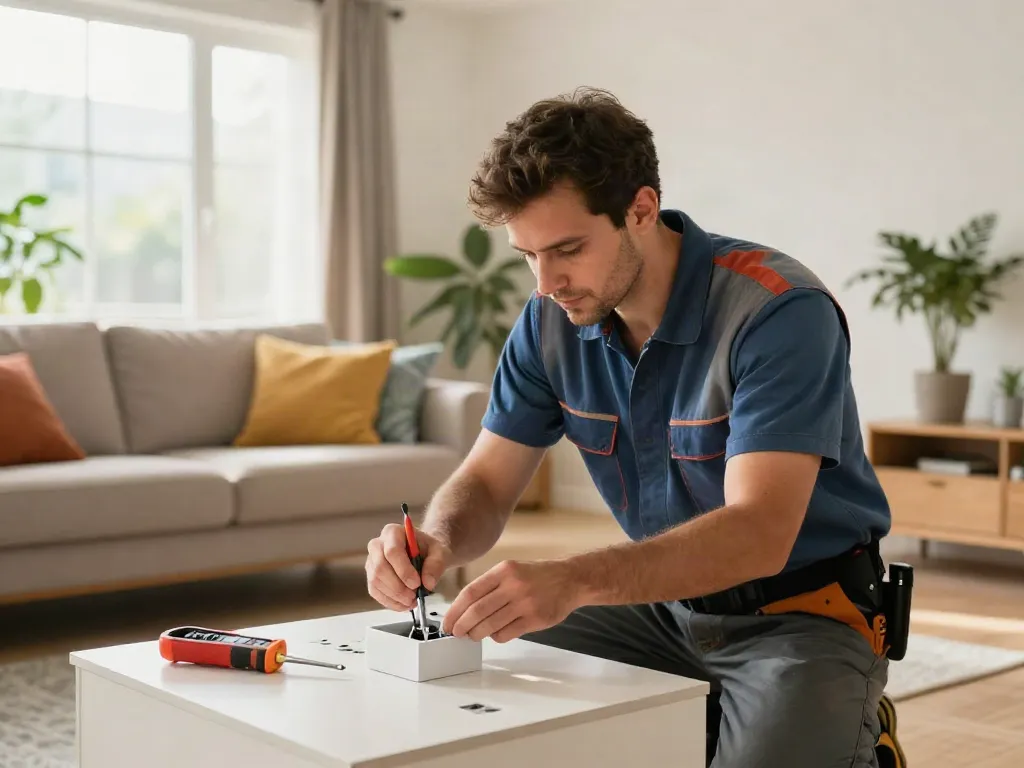
Understanding Electrical Faults and Their Solutions
Electrical faults in residential properties not only disrupt daily activities but can also pose safety risks. As homeowners in Ireland become more aware of the importance of electrical safety, understanding common issues and how to address them has become essential. Whether it’s a tripped circuit breaker, flickering lights, or faulty wiring, knowing how to manage these problems can save time, money, and prevent potential hazards. When exploring options, Electricians in Ireland offer comprehensive services and insights that can help homeowners navigate these challenges efficiently.
Common Electrical Issues in Homes
Numerous electrical issues can arise within the confines of a home. The most prevalent include:
- Tripped Circuit Breakers: Often caused by overloading circuits, this issue can stem from using too many appliances simultaneously.
- Flickering Lights: This can indicate loose wiring or overloaded circuits and requires immediate attention to prevent further complications.
- Power Outages: An outage can occur due to a blown fuse, faulty wiring, or external factors, such as severe weather.
- Outdated Wiring: Homes with outdated wiring systems may not meet modern safety standards, posing potential fire hazards.
- Faulty Outlets: Signs of a faulty outlet may include burning smells or discoloration, which can result in severe electrical malfunctions.
Steps for Diagnosing Electrical Faults
Diagnosing electrical faults should always be approached with caution. Here are the essential steps you should take:
- Identify Symptoms: Note when and where the issue occurs. Is it isolated to a single outlet, or does it affect multiple areas?
- Check Circuit Breakers: Before calling a professional, check to see if a circuit breaker has tripped and reset it if necessary.
- Inspect Outlets: Look for any visible signs of damage, such as discoloration or melted plastic.
- Document Any Changes: If you’ve altered your electrical setup recently (new appliances, renovations), document these changes as they can inform the electrician of potential problems.
Safety Protocols for Homeowners and Electricians
Safety should always be the top priority when dealing with electrical issues. Homeowners are advised to follow these protocols:
- Never attempt to fix electrical problems without proper knowledge.
- Always turn off the power at the breaker box before performing any inspections.
- Use insulated tools to minimize the risk of electrocution.
- Consult a licensed electrician for any serious or persistent issues.
Planning Electrical Installations and Improvements
When it comes to enhancing your home's electrical setup, careful planning is key. This ensures that installations are executed smoothly and safely, minimizing disruptions.
Creating a Room Schedule for Projects
A room schedule outlines the necessary electrical work for each space in your home. Begin by listing each room and detailing the required installations, such as:
- Number and type of electrical outlets.
- Lighting fixtures and their placements.
- Smart home devices, if applicable.
This not only helps electricians provide accurate quotes but also ensures a streamlined workflow during the installation process.
Specifying Lighting and Smart Controls
Modern homes benefit significantly from smart controls and optimized lighting solutions. When planning installations, consider:
- Activities: Assess how each room is used. A workspace requires different lighting than a living room.
- Control Systems: Decide if you want to integrate smart home systems that allow remote control of lighting.
- Energy Efficiency: Choose LED bulbs and smart switches to enhance energy efficiency and reduce costs.
Assessing Capacity for New Equipment
Before purchasing new electrical appliances or systems, it's critical to assess your existing electrical capacity:
- Check the total load your current system can handle.
- Consult with an electrician if you're unsure about the compatibility of new appliances with your current setup.
Preparing Effective Electrical Work Requests
Preparing an effective work request can save both time and money. Here’s how to create a useful electrical work request:
What to Include in Your Electrical Quote
To ensure you receive a comprehensive quote, include the following details:
- Description of the work needed (installation, repairs, etc.).
- The specific locations and the type of fittings involved.
- Any specific requirements or materials you wish to use.
Examples of Clear Electrical Requests
When submitting your request, clarity is crucial. For example:
- A request for two new kitchen sockets, installation of LED lights, and an assessment of the existing wiring.
- Upgrading the consumer unit, including a detailed specification of circuits and accessories.
Understanding Quotation Allowances and Costs
Understanding the breakdown of costs is vital for effective project management. Clarify:
- What is included in the quote (labour, materials, testing, cleaning up).
- Any allowances for potential additional work or parts that may arise during the project.
Evaluating Electricians in Ireland
Finding the right electrician is essential for ensuring safety and quality in your electrical work. Here's how to evaluate potential contractors.
How to Find Qualified Electricians
In Ireland, electricians should be certified and registered with recognized bodies, such as Safe Electric. To find qualified professionals:
- Search local directories and service listings.
- Seek recommendations from friends, family, or neighbors.
- Verify their registration and insurance credentials.
Comparing Quotes from Different Professionals
Collect several quotes to compare services effectively. Look for:
- Detailed descriptions of the work being offered.
- Clear pricing structures with no hidden fees.
- Reviews or testimonials from past clients.
Checking Credentials and Safety Regulations
Ensure the electrician complies with current safety regulations and standards. Always ask for:
- Their qualifications and training background.
- Proof of insurance to cover any potential accidents.
- References from previous clients, if available.
Future Trends in the Electrical Industry
As technology advances, the electrical industry evolves. Electricians in Ireland must stay updated on emerging trends that impact their work and services.
Emerging Technologies for Electricians in Ireland
Technological innovations greatly influence electrical installations and repairs. Key trends include:
- Smart Home Technologies: Integration of devices that allow homeowners to control systems remotely.
- Solar Energy Solutions: Increasing adoption of solar panels and energy-efficient appliances.
- Electric Vehicle Charging Stations: A growing need for home charging solutions as EV adoption increases.
Impact of Smart Homes on Electricians' Work
Smart home technology impacts how electricians operate. Electricians must become familiar with:
- The installation of smart devices and systems.
- Networking and troubleshooting connected devices.
- Updating outdated systems to support new technologies.
Predictions for Electrical Work in 2026 and Beyond
Looking forward, several predictions can be made about the future of electrical work:
- Increased demand for energy efficiency will drive more homeowners to seek professional help for electrical audits.
- The need for electricians will grow as renewable energy systems become more commonplace.
- Ongoing education and certification will be crucial for electricians to keep pace with evolving technologies and safety standards.