Understanding پارتیشن تک جداره: What You Need to Know
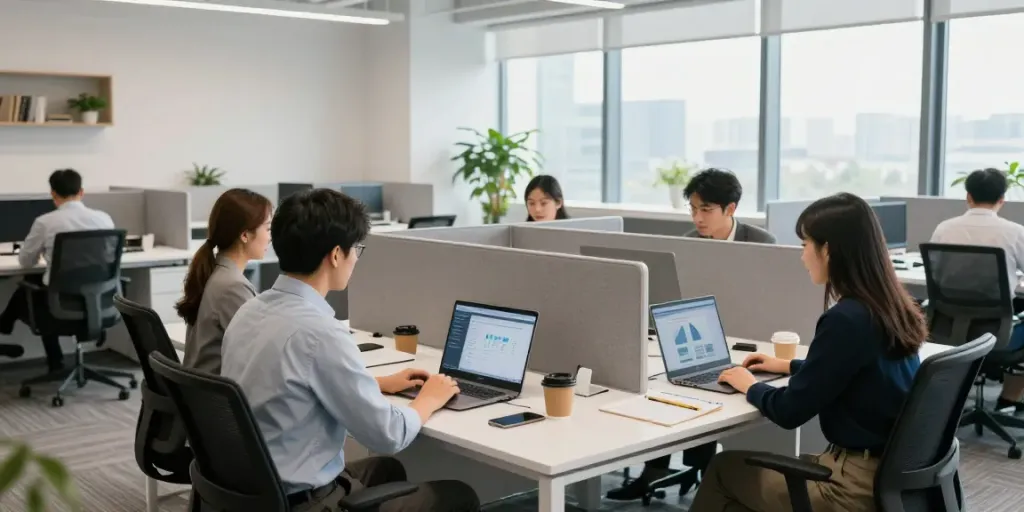
In the modern workspace, maximizing functionality while maintaining an aesthetically pleasing environment is essential. One of the most effective solutions for achieving this balance is the use of پارتیشن تک جداره, or single-wall partitions. These versatile structures provide a practical way to create distinct spaces within offices without the need for extensive renovations. They offer a lightweight, modular option for dividing areas, making them popular among businesses seeking flexibility in their layouts.
When exploring options, پارتیشن تک جداره provides comprehensive insights into the various designs and configurations available. Understanding the different types of single-wall partitions is crucial for making informed decisions that best suit your office needs and style.
Definition and Types of Single-Wall Partitions
Single-wall partitions are non-load-bearing walls that serve to subtly segregate spaces, offering privacy and functionality without permanent alterations to a building's structure. These partitions can be made from various materials, including:
- Glass: Provides a modern look and allows natural light to flow between spaces.
- Wood: Offers warmth and can enhance acoustic performance.
- MDF (Medium Density Fiberboard): A cost-effective option that can be finished in various styles to match office decor.
Each type has unique attributes, making it suitable for different environments, whether it’s a corporate office, a creative studio, or an educational institution.
Benefits of Using پارتیشن تک جداره
The use of single-wall partitions presents numerous advantages, including:
- Cost-Effectiveness: They are generally less expensive than traditional walls, both in terms of materials and installation.
- Flexibility: Easily reconfigurable depending on the changing needs of an organization.
- Speed of Installation: Single-wall partitions can be installed quickly, minimizing disruption to daily operations.
- Design Versatility: Available in various designs, colors, and finishes, allowing businesses to maintain their brand aesthetics.
These benefits significantly contribute to the growing popularity of single-wall partitions in contemporary office designs.
Comparative Analysis with Other Partition Types
When considering office partitions, it’s essential to compare single-wall options against their alternatives, such as dual-wall and modular systems. Dual-wall partitions offer better sound insulation and privacy but at a higher cost and complexity during installation. Modular systems, while versatile, may require more maintenance and can be less aesthetically pleasing than sleek single-wall styles.
Ultimately, the choice will depend on specific operational needs, budget, and design vision. Evaluating these factors will help determine the best partition type for your space.
Design Considerations for Modern Offices
Choosing the Right Materials for پارتیشن تک جداره
Material selection plays a significant role in both the aesthetics and functionality of single-wall partitions. Factors to consider include durability, maintenance requirements, and how well the material suits your brand image and office atmosphere. For instance, glass walls create an open feel, while wooden partitions can provide warmth and sound absorption.
Incorporating Brand Aesthetics
Every element in an office contributes to its brand identity. Single-wall partitions should reflect the company's ethos and culture. For creative industries, colorful or uniquely shaped partitions might inspire innovation, while corporate environments might favor more subdued, professional designs.
Creating Functional Spaces with Design
The layout of an office can greatly influence productivity and employee satisfaction. Pioneering designs now prioritize collaborative spaces, quiet zones, and flexible areas, which single-wall partitions can easily accommodate. This adaptability allows businesses to quickly reconfigure their environments according to changing team dynamics and needs.
Installation and Maintenance Best Practices
Step-by-Step Installation Guide
Installing single-wall partitions is typically straightforward, but the process should be approached methodically to ensure quality and longevity. Here’s a simplified guide:
- Planning: Assess space requirements and design layout.
- Materials: Gather all necessary materials, including the partition panels and tools.
- Measurement: Carefully measure the area for accurate installation.
- Assembly: Follow manufacturer instructions for assembling the partitions, ensuring each piece fits securely.
- Finishing Touches: Install any trim, seals, or accessories to complete the look.
Regular Maintenance Tips for Longevity
To maintain the appeal and functionality of single-wall partitions, regular cleaning and inspections are essential. Here are some maintenance tips:
- Wipe down surfaces regularly to prevent dust build-up.
- Check for any loose fittings or scratches and address them immediately.
- Consider applying protective coatings to extend the lifespan of certain materials.
Common Mistakes to Avoid During Installation
Even experienced installers can encounter pitfalls. Common mistakes include:
- Neglecting to account for electrical and HVAC components during planning.
- Inaccurate measurements that lead to misaligned panels.
- Forgetting to use level tools, resulting in uneven installations.
Awareness of these mistakes can save time and resources during installation.
Cost Analysis: Is It Worth the Investment?
Initial Costs vs. Long-Term Savings
Investing in single-wall partitions may seem daunting initially; however, the long-term savings often outweigh upfront costs. By allowing for flexibility in office layouts, businesses can adapt their spaces without incurring significant renovation costs. Additionally, they can lead to improved employee productivity, resulting in better ROI over time.
Factors Influencing Pricing of پارتیشن تک جداره
Several factors will influence the price of single-wall partitions, including:
- Material type and quality.
- Design complexity and customization requirements.
- Installation costs, which can vary based on local labor rates.
Understanding these factors can help companies budget more accurately for their office renovation projects.
Budgeting for Office Renovations
Creating a budget for office renovations that include single-wall partitions necessitates careful planning. Allocating funds for both materials and installation, as well as considering potential unexpected costs, will provide a clearer financial picture. Companies should aim to set aside additional funds to accommodate design tweaks or additional features that might enhance the workplace environment.
Trends in Office Design and Future Predictions
Emerging Trends for 2026 and Beyond
The future of office design is expected to be shaped by growing emphasis on wellness, sustainability, and technology integration. The use of single-wall partitions will likely evolve with these trends, incorporating eco-friendly materials and smart technology to create more efficient and adaptable workspaces.
Impact of Remote Work on Office Design Choices
As remote work continues to influence employment patterns, office spaces are shifting towards accommodating hybrid working models. Single-wall partitions can play a crucial role in creating flexible spaces that allow for both collaboration and privacy, catering to the changing needs of the workforce.
Adapting to Sustainable Practices with Single-Wall Partitions
There is growing interest in environmentally sustainable materials and practices in the design of office spaces. Single-wall partitions can be manufactured using recycled materials, and their modular nature reduces waste associated with traditional construction methods. As companies increasingly commit to sustainability, the demand for such eco-friendly partition solutions will continue to rise.