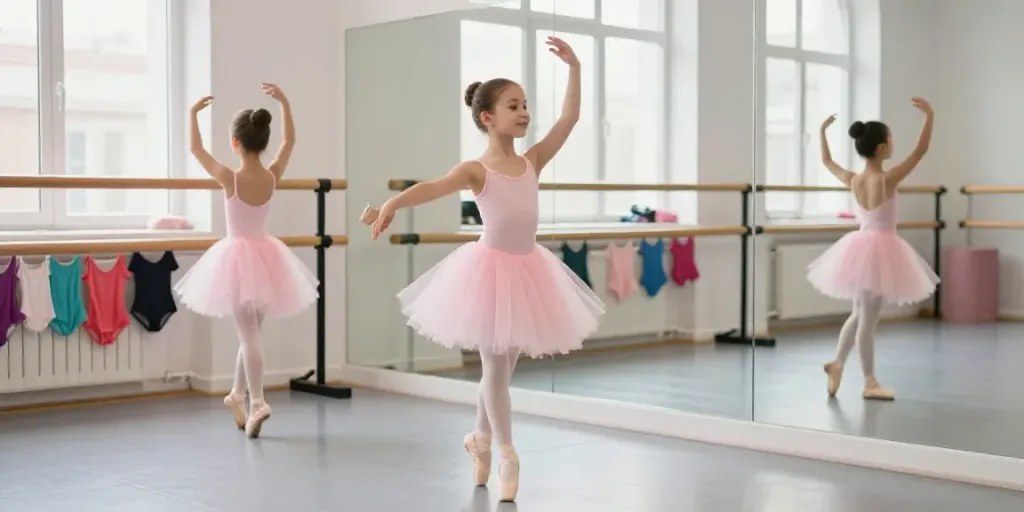
The Joy of Dance: Exploring the Tutu Store Experience
Every dancer knows that the right attire can elevate performance to new heights, and for many, the tutu is the quintessential garment that encapsulates the spirit of dance. Whether it's for a ballet recital, a costume party, or simply a fun dress-up session, the tutu store is where dreams become fabric. In this article, we'll delve into the essential role of tutus in the dance world, exploring their significance, quality considerations, and the enchanting experience of shopping at local tutu boutiques.
Understanding the Tutu’s Role in Dance
The tutu serves as more than just a costume; it represents an artistic expression that encapsulates grace and elegance in dance. Originating in the 19th century, the tutu has evolved into various styles, from the classic romantic tutu that extends to the ankles to the short and fluffy variations that are often seen in contemporary performances. Dancers don tutus not only for their aesthetic appeal but also for their functionality, as they allow for a full range of motion essential for dance movements.
The Importance of Quality in Tutu Selection
When selecting a tutu, the quality of the material and craftsmanship is paramount. High-quality tutus are made from premium fabrics such as tulle, satin, and silk, which contribute to their aesthetic and functional properties. A well-constructed tutu offers durability, comfort, and a flattering silhouette that can enhance a dancer's performance on stage.
- Material Matters: Look for tutus made with breathable fabrics to ensure comfort during long rehearsals.
- Construction Quality: A tutu with reinforced seams will provide longevity, especially for rigorous dance styles.
- Fit and Sizing: Proper sizing is crucial to ensure freedom of movement; consider professional fitting services available at tutu stores.
Customer Experiences in Local Tutu Shops
Shopping at local tutu stores can be a magical experience. Many boutique shops offer personalized service that online retailers cannot match. Customers often recount tales of warm welcomes and expert advice from staff who are knowledgeable about dance and tutus. These shops often provide a tactile experience that allows dancers to try on tutus, feel the materials, and see how the skirts flow and twirl with their movements.
Buying Tutus vs. Crafting Your Own
Benefits of Buying Ready-Made Tutus
Opting for a ready-made tutu has several advantages. Primarily, it saves time; ready-made tutus are designed by professionals who understand the nuances of dancewear. Additionally, purchasing from a reputable store ensures that the tutu meets industry standards, providing both durability and comfort. Many tutu stores also offer a variety of styles and sizes, catering to both beginners and experienced dancers.
DIY Tutu Projects: An Inside Look
For the crafty individual, making a tutu can be a rewarding project. DIY tutus allow for personalization, enabling one to choose colors, lengths, and embellishments that reflect their style. Crafting a tutu can be a fun activity for parties, gifting, or simply for a unique addition to a dancer's wardrobe. However, this process requires some sewing and crafting skills, along with time to experiment.
Cost Comparison: Buying vs. Crafting in 2026
When weighing costs, it’s essential to consider both financial and time investments. Ready-made tutus may range from $30 to $100 depending on quality and design, while DIY projects can be more cost-effective but require initial investment in materials and time. As trends in fabric and design evolve, the cost-effectiveness of DIY projects may fluctuate, especially with the rise in fabric prices.
Choosing the Right Tutu for Different Dance Styles
Traditional Ballet Tutus: Characteristics and Styles
Traditional ballet tutus are characterized by their stiff structure and layered fabric. Often worn in classical performances, these tutus come in two main types: the classical tutu, which has a bell shape and layers of tulle, and the Romantic tutu, which is longer and softer. Understanding these characteristics is crucial for a dancer’s repertoire.
Modern Interpretations: Unique Tutus for Contemporary Dance
As dance evolves, so do the designs of tutus. Modern tutus often feature unique cuts, fabrics, and embellishments that cater to contemporary dance styles. These can include asymmetrical designs, vibrant colors, and varied lengths that reflect a dancer's individuality and the choreography's essence.
Seasonal and Thematic Considerations for Tutus
When choosing a tutu, seasonal themes can influence styles and colors. For instance, pastel hues and floral patterns are perfect for spring performances, while darker shades might be preferred for autumn-themed recitals. Additionally, tutus with sequins or glitter can add flair and excitement for special occasions, such as winter holiday performances.
Where to Find the Best Tutu Stores in 2026
Local Tutu Stores: A Treasure Trove for Dancers
Local tutu stores often function as community hubs for dancers, providing not only retail but also support through workshops and events. Many shops curate their selections based on local trends and dancer preferences, ensuring that what they offer is relevant and appealing. Visiting these stores can offer a sense of connection that transcends online shopping.
Online Shopping for Tutus: Pros and Cons
Online tutu shopping offers convenience and a broad selection. With just a few clicks, dancers can access various styles and price points. However, the drawback lies in the inability to try items before purchasing, which can lead to sizing issues or disappointment regarding quality. Reading reviews and understanding return policies is crucial when shopping online.
Emerging Trends in Tutu Retail: What’s New?
The tutu retail landscape is constantly evolving, with many stores embracing eco-friendly practices, offering sustainable materials, and integrating technology into their shopping experiences. Virtual fittings and augmented reality apps are becoming commonplace, allowing customers to visualize how tutus will look and fit before purchasing.
Community and Events: The Social Aspect of the Tutu Store
Workshops and Classes Offered at Tutu Stores
Many tutu stores host workshops and classes that foster community engagement among dancers of all levels. These events often cover various topics, from beginner dance techniques to advanced costume design. Participating in workshops not only enhances skills but also creates networking opportunities within the local dance community.
Building a Dance Community through Tutu Events
Community events centered around tutus, such as fashion shows and charity performances, are popular. These gatherings provide a platform for dancers to showcase their talents while wearing their favorite tutus. Such events cultivate camaraderie among participants, reinforcing the supportive nature of the dance community.
Future Prospects: How Tutu Stores are Adapting
As the dance industry evolves, tutu stores are adaptively expanding their offerings. Many are incorporating online sales to reach a wider audience, while others focus on curated experiences that emphasize personalized service. This dual approach caters to both local customers and those who prefer the convenience of online shopping.
What type of tutu is best for my child?
When selecting a tutu for a child, consider age, style, and the type of dance they are involved in. For beginners, a soft, elastic-waisted tutu may be ideal for ease of wear and comfort. It's also advisable to choose a style that matches the child's preferences to encourage them to embrace dance fully.
Are tutus suitable for adults?
Absolutely! Many adult dancers wear tutus, particularly for ballet, contemporary dance, or themed performances. Adult sizes and styles have diversified, so there are many options available that cater to adult body types and aesthetic preferences.
How often should tutus be replaced?
The lifespan of a tutu largely depends on usage and care. Regular performers may need to replace their tutus annually, while those who use them less frequently can extend that timeframe. Regular inspections for wear and tear are essential to maintain the tutu's appearance and functionality.
What materials are best for tutus?
High-quality tulle, organza, and satin are popular materials for making tutus. Tulle offers a classic, airy feel, while satin provides a luxurious look. Depending on the intended use—performance, rehearsal, or casual dress-up—choosing the right material is crucial for both comfort and aesthetics.
Can I customize my tutu order?
Many tutu stores offer customization options, from color selection to size adjustments. This personalization allows dancers to create a tutu that perfectly fits their vision and needs. Custom options are especially popular for unique performances or themed events.