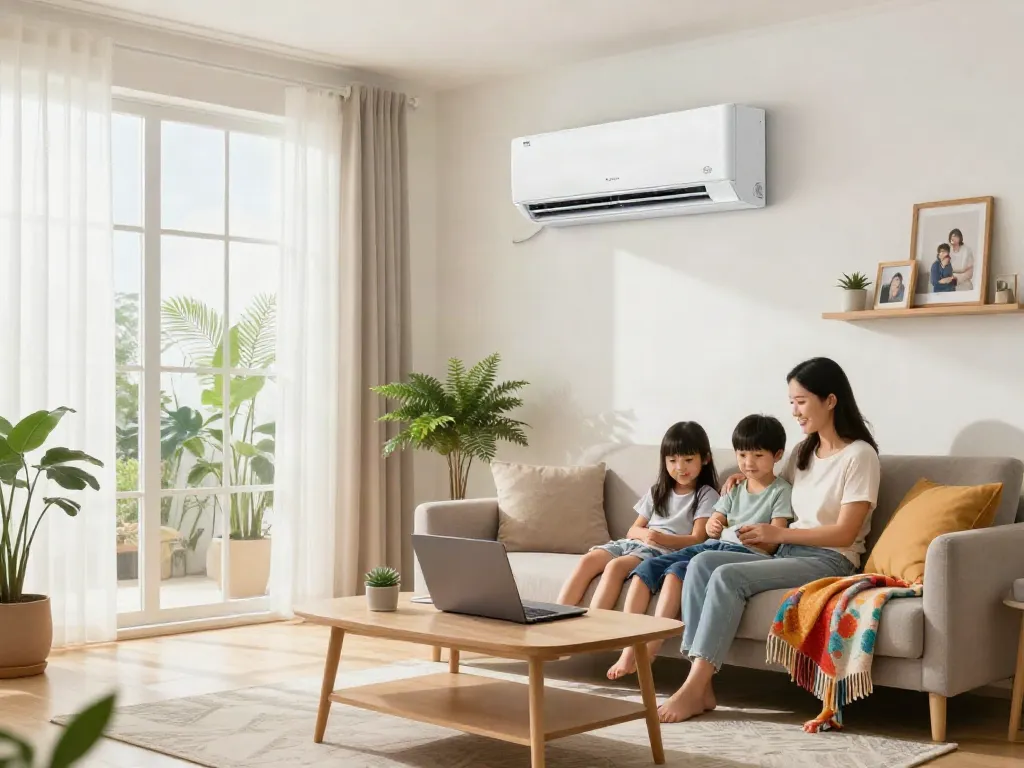
Understanding Mini Splits: An Overview
The evolution of home heating and cooling has led to innovative solutions that improve comfort while maximizing energy efficiency. Among these solutions, the mini split system stands out as a versatile option suitable for homes of all sizes. This comprehensive overview will delve into what mini split systems are, their components, and the advantages they offer compared to traditional HVAC systems.
What Is a Mini Split System?
A mini split system, also known as a ductless air conditioning system, is a type of HVAC that can efficiently heat and cool individual rooms or zones in a home. Unlike traditional systems that rely on ducts, mini splits consist of an outdoor compressor unit and one or more indoor air handlers. This design allows for flexible installation and precise temperature control without the need for extensive ductwork.
Key Components of Mini Split Air Conditioners
Understanding the core components of a mini split system is critical for homeowners considering this option. The primary elements include:
- Outdoor Unit: This component houses the compressor and condenser, responsible for dissipating heat absorbed from indoor air.
- Indoor Air Handlers: These units distribute conditioned air and can be mounted on walls, ceilings, or floors in various configurations.
- Refrigerant Lines: These insulated pipes carry refrigerant between the indoor and outdoor units, facilitating heat exchange.
- Remote Control System: Most mini splits come with a remote control or smart home compatibility, allowing for easy operation and programming.
Advantages Over Traditional HVAC Systems
Mini split systems present numerous advantages when compared to conventional HVAC setups:
- Energy Efficiency: With SEER ratings often exceeding 20, mini splits consume less energy to maintain comfortable temperatures.
- Flexible Installation: The absence of ductwork means they can be installed in locations where traditional systems may not be feasible.
- Zone Control: Homeowners can customize temperatures in different rooms, reducing energy waste and enhancing comfort.
- Reduced Noise: Mini splits generally operate more quietly than traditional HVAC systems, providing a more pleasant indoor environment.
Choosing the Right Mini Split for Your Home
Selecting an appropriate mini split system involves careful consideration of various factors, ensuring that the chosen unit fits your home's unique needs.
Factors to Consider When Selecting a Mini Split
When evaluating potential mini split options, consider the following key factors:
- Heating and Cooling Capacity: Measured in BTUs, ensure the system is adequately sized for your space to avoid inefficiency.
- Energy Efficiency Ratings: Look for units with high SEER ratings to get the best energy savings and performance.
- Installation Location: Consider where the indoor unit will be placed for optimal air distribution and aesthetics.
- Smart Features: Many models offer smart technology integration, allowing remote operation and scheduling.
Comparing Brands and Features
Several reputable brands dominate the mini split market, each offering unique features. Research and compare brands based on:
- Warranty options
- Customer service reputation
- Availability of replacement parts
- Reviews and ratings from other users
Budgeting for Installation and Maintenance
The initial cost of a mini split system can vary significantly based on brand, features, and installation complexities. On average, homeowners can expect to pay between $3,000 to $5,000 for a complete system, including installation. Additionally, regular maintenance, such as filter replacements and periodic servicing, should be factored into your budget to ensure long-term performance.
Installation Best Practices for Mini Splits
Proper installation is pivotal to maximizing the efficiency and longevity of mini split systems. Homeowners face a choice between professional installation and DIY options.
Professional vs. DIY Installation: Which Is Right for You?
While DIY installation can save money, it often requires a certain level of HVAC knowledge. Consider professional installation for:
- Complex setups requiring multiple indoor units
- Compliance with local building codes
- Warranty validation and longevity of the system
Common Mistakes to Avoid During Installation
To ensure a successful installation, avoid these common pitfalls:
- Improper sizing of units
- Incorrect placement of indoor units
- Skipping refrigerant charge checks
Step-by-Step Guide to Installing Your Mini Split
For those inclined to take the DIY route, follow this general installation guide:
- Choose the installation location for the outdoor and indoor units.
- Install the mounting bracket for the indoor unit.
- Drill a hole through the wall for the refrigerant lines and power cable.
- Connect the indoor unit to the outdoor unit following the manufacturer's instructions.
- Test the system to ensure proper operation.
Mini Split Maintenance and Care
Regular maintenance is crucial for the efficiency and lifespan of a mini split system. Understanding how to care for your unit can prevent costly repairs and enhance comfort.
Routine Maintenance Tips for Longevity
To maintain your mini split, follow these routine tips:
- Clean or replace air filters every month during usage seasons.
- Check and clean the outdoor unit of debris.
- Schedule annual professional maintenance for comprehensive checks.
Signs Your Mini Split Needs Repair
Be attentive to these warning signs that may indicate your mini split requires service:
- Unusual noises during operation.
- Inconsistent cooling or heating.
- Foul odors from the indoor unit.
Annual Maintenance Checklist for Homeowners
Use this checklist to keep your mini split in top shape:
- Inspect and clean filters and coils.
- Ensure proper drainage from the condensate line.
- Check refrigerant levels and inspect for leaks.
The Future of Mini Split Technology
As we approach 2026, the mini split market is evolving rapidly, with innovations that prioritize energy efficiency and user-friendliness.
Emerging Trends in Mini Split Innovations for 2026
Expect advancements such as:
- Increased integration of AI for smart climate control.
- Advanced compressor technologies that enhance energy efficiency.
- Improved designs that blend aesthetics with functionality.
Impact of Smart Home Technology on Mini Splits
Smart home technology is revolutionizing how homeowners interact with their HVAC systems, allowing for:
- Remote monitoring and control via smartphone apps.
- Energy usage analytics to enhance efficiency.
- Integration with other smart devices for seamless home automation.
Energy Efficiency Standards and Future Developments
As energy efficiency standards evolve, manufacturers are adapting to meet new regulations, ensuring that mini split systems remain a sustainable choice for consumers.
What are the typical costs associated with mini split systems?
The costs can vary widely based on the size of the system, the complexity of installation, and additional features. On average, anticipate $3,000 to $5,000 for a complete system, including installation.
How do mini splits compare to window units?
Mini splits generally offer superior efficiency and comfort. Unlike window units, they provide zoned heating and cooling, operate quieter, and are more energy-efficient in the long run.
Can mini splits work in colder climates?
Yes, many modern mini splits are designed to function effectively in colder climates, utilizing advanced heat pump technology to provide warmth even at low outdoor temperatures.
What are some common misconceptions about mini splits?
Common misconceptions include the belief that mini splits are noisy, difficult to install, or ineffective in larger spaces. In reality, they can be quiet, are often easy to install with the right knowledge, and can be configured for larger areas with multiple indoor units.
How energy-efficient are mini split systems?
Mini splits are among the most energy-efficient HVAC options available, often featuring SEER ratings above 20, which translates to significant energy savings over traditional heating and cooling systems.