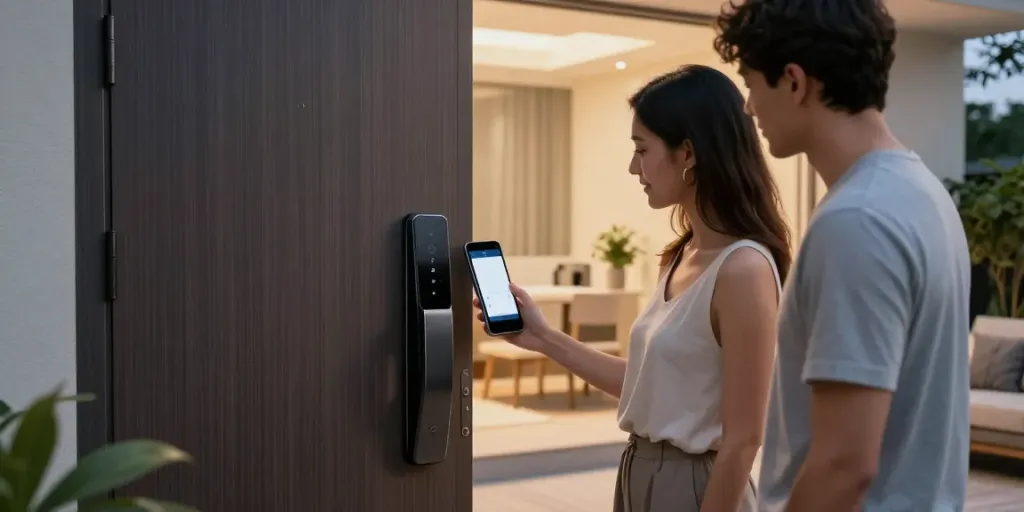
Understanding Smart Locks
Smart locks have revolutionized home security by integrating advanced technology into traditional locking mechanisms. Unlike regular locks, smart locks offer a range of features that enhance convenience and security, such as remote access, keyless entry, and real-time alerts. This technology not only simplifies the process of securing your home but also provides a level of security that traditional locks simply cannot match. When exploring options, خرید قفل هوشمند can offer a variety of models to fit your needs.
What is a Smart Lock?
A smart lock is an electronic locking device that allows users to control access to their home using a smartphone app, a keypad, or even biometric recognition. These locks can be integrated into your home network, enabling remote management and customization of access permissions. Many smart locks also allow for the creation of temporary codes or access permissions for guests or service personnel, adding an extra layer of convenience.
How Smart Locks Enhance Home Security
Smart locks enhance home security through several key features:
- Remote Access: Control your lock from anywhere using your smartphone. This feature is especially useful for letting guests in when you're not home.
- Real-Time Alerts: Receive notifications whenever the lock is accessed, allowing you to keep track of who comes and goes.
- Temporary Access Codes: Generate unique codes for guests that expire after a set period, ensuring that only authorized individuals can enter your home.
- Integration with Security Systems: Many smart locks can be integrated with larger home automation and security systems, enhancing overall security measures.
Types of Smart Locks Available
There are various types of smart locks on the market, each offering unique features and methods for entry:
- Keypad Locks: Require a numeric code to unlock, providing a traditional feel with modern technology.
- Bluetooth Locks: Connect to your smartphone via Bluetooth, enabling entry without a physical key or code.
- Wi-Fi Enabled Locks: Allow remote access from anywhere in the world via an internet connection.
- Biometric Locks: Use fingerprint recognition for entry, offering enhanced security through unique identifiers.
Choosing the Right Smart Lock
When selecting a smart lock, it’s crucial to assess various factors that will align with your specific security needs and preferences. Consider the following:
Factors to Consider When Buying Smart Locks
Choosing the right smart lock involves evaluating several key factors, including:
- Security Features: Look for locks with encryption and advanced security protocols to protect against hacking.
- Power Source: Consider if the lock is battery-operated or requires a wired connection; ensure you have a backup system in place.
- Ease of Installation: Some smart locks are designed for DIY installation, while others may require professional help.
- Compatibility: Ensure that the smart lock is compatible with existing smart home systems or platforms you use.
Comparing Features Across Different Models
Not all smart locks are created equal. When assessing models, compare:
- Access Methods: Does it offer just a keypad, or does it also support biometrics and smartphone access?
- Monitoring Capabilities: Does the lock provide logs of entries and exits or integrate with security cameras?
- Durability: Look for models with high durability ratings and weather resistance if installed outdoors.
Assessing Your Home's Security Needs
Consider your home's specific security challenges. For instance, if you frequently entertain guests, you may prioritize a model that allows easy sharing of access codes. Conversely, a family with small children might require a more secure option with fewer access points being open at one time.
Installation and Setup
Installing smart locks can be straightforward, but the method varies based on the model. Here are some insights:
DIY Installation vs Professional Help
Some smart locks offer easy DIY installation, making them accessible for the average homeowner. However, if you're uncomfortable with tools or if your door requires special adjustments, it may be prudent to hire a professional to avoid potential pitfalls.
Setting Up Your Smart Lock with Mobile Apps
Once installed, most smart locks require setup through a corresponding mobile app. This process typically includes:
- Pairing your lock with your smartphone via Bluetooth or Wi-Fi.
- Creating user accounts and setting up access permissions.
- Configuring notifications and alerts for lock activity.
Common Troubleshooting Tips for Smart Locks
To ensure your smart lock functions well, consider these troubleshooting tips:
- Check battery levels regularly, especially for battery-operated models.
- Ensure your Wi-Fi connectivity is strong if using a Wi-Fi-enabled lock.
- Update software regularly to maintain optimal security features.
Maintaining Your Smart Lock
Regular maintenance is essential for keeping your smart lock secure and functional.
Regular Maintenance Practices for Longevity
To extend the life of your smart lock, remember to:
- Clean the locking mechanism regularly to prevent dust accumulation.
- Inspect all electronic parts for signs of wear or damage.
Software Updates and Their Importance
Many smart locks receive software updates that improve security and add features. Ensure your lock is set to update automatically or check for updates regularly to protect against vulnerabilities.
Addressing Security Concerns and Vulnerabilities
Stay informed about any potential security issues related to your specific smart lock model. Manufacturers often release security patches in response to discovered vulnerabilities, so keep an eye on manufacturer communications.
The Future of Smart Locks
The evolution of smart locks is rapid, with emerging trends shaping their features and functionalities.
Emerging Trends in Smart Lock Technology for 2026
Future smart locks are likely to include features such as:
- Enhanced Biometric Technology: More sophisticated biometric recognition methods, like retinal scanning.
- Machine Learning: Smart locks that learn user habits to enhance access schedules.
Integration with Home Automation Systems
Smart locks will increasingly integrate with home automation systems, allowing for seamless interaction between devices. Imagine your lights turning on as you unlock your door or alerts sent to your smartphone when unexpected guests arrive.
Expert Predictions on Smart Home Security
Experts predict a future where smart locks will not only serve as entry points but also as part of a larger ecosystem ensuring home security. This includes integration with security cameras, motion detectors, and alarm systems that work in unison to protect your property.